Skip to content
Latest
VOTVS
All headlines
Headline

Rohingya food vouchers split into tiers, dropping as low as $7 a month
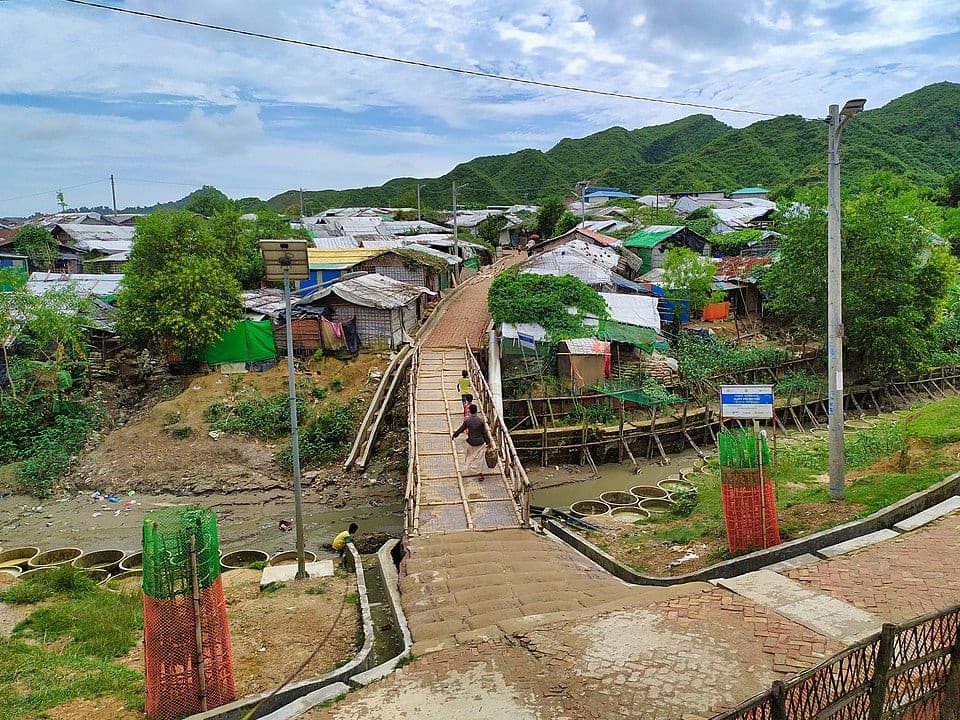
Rohingya food vouchers split into tiers, dropping as low as $7 a month
Photo: Rocky Masum / via Wikimedia Commons, CC BY-SA 4.0

The World Food Programme replaced its flat $12 monthly food voucher for Rohingya refugees in Bangladesh with a tiered system of $7 to $12 on 1 April, according to the Associated Press. About 17 per cent of refugees receive the lowest amount, while roughly a third assessed as extremely food insecure continue to receive $12. WFP described the change as targeting by need rather than a cut; Bangladesh's Refugee Relief and Repatriation Commissioner said it amounts to a cut for the Rohingya. The agency lost about a third of its funding after aid reductions by the United States and other donors.

RohingyaBangladeshFood security

Read our full story

Every figure above comes from the sources below, as they reported it, on the date given.

  1. 01
  2. 02
UN aid plan targets 87 million people after counting 239 million in need
Headline

UN aid plan targets 87 million people after counting 239 million in need

The United Nations has asked for $33 billion to reach 135 million people in 50 countries during 2026. Inside that appeal is a smaller "hyper-prioritised" tier of $23 billion aimed at 87 million people, the portion the UN expects it can fund. Agencies identified 239 million people as needing humanitarian assistance. UN appeals received about $12 billion in 2025, the lowest in a decade, and reached 25 million fewer people than the year before.

AidUnited NationsFunding

Read our full story
Guinea worm cases fall to ten worldwide, an all-time low
Headline

Guinea worm cases fall to ten worldwide, an all-time low

The Carter Center has reported ten human cases of guinea worm disease worldwide in 2025, the lowest number since records began. Four were in Chad, four in Ethiopia and two in South Sudan, down from 15 cases in 2024. The disease infected an estimated 3.5 million people a year across 21 countries when the eradication campaign started in 1986. There is still no vaccine and no drug treatment; the decline has come from filtering drinking water, treating ponds and case-by-case surveillance.

HealthChadEthiopiaSouth Sudan

Read our full story
Ethiopian crop could feed 100 million more people, study finds
Headline

Ethiopian crop could feed 100 million more people, study finds

Researchers modelling where enset could grow found a potential range across parts of Ethiopia, Kenya, Uganda and Rwanda, and estimated the crop could feed more than 100 million additional people over the next four decades. Enset, sometimes called the false banana, already feeds more than 20 million people in Ethiopia, where as few as 15 plants can support one person for a year. It is cultivated as a food crop almost nowhere else. A separate study found Ethiopian smallholders plant more of it directly after severe droughts.

EthiopiaFoodClimate

Read our full story
UNESCO counts 2.4 million Afghan girls shut out of secondary school
Headline

UNESCO counts 2.4 million Afghan girls shut out of secondary school

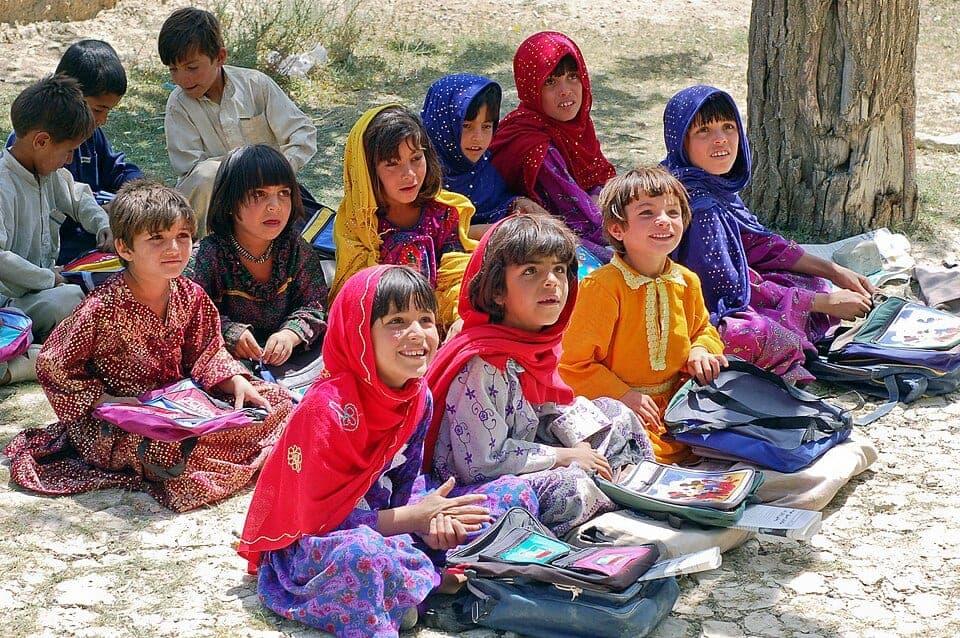
UNESCO says 2.4 million girls in Afghanistan are excluded from secondary education, five years after the Taliban returned to power. It describes Afghanistan as the only country in the world that formally prohibits education for girls and women beyond primary level. The UN has documented more than 100 decrees restricting women's education, work and movement. Half of the Afghan women interviewed for the UN's five-year assessment said they leave home only once or twice a month.

AfghanistanEducationWomen's rights

Read our full story